
Have you ever thought about how to measure your eyeglass frames correctly? Knowing the dimensions of your frames is crucial for getting the right fit and style for your face.
By taking a few quick measurements, you can ensure that your glasses are comfortable and perfectly suit you. This guide will walk you through the steps of accurately measuring your frames, so you can shop for glasses with ease. Let’s explore the realm of eyeglass frame measurements!
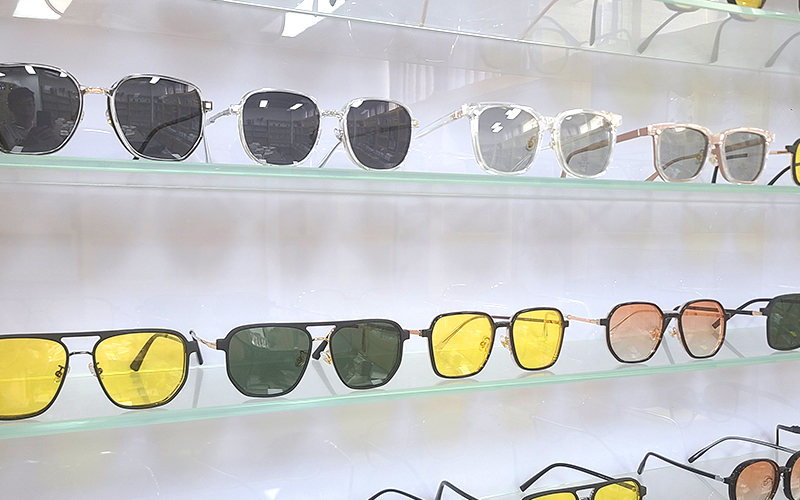
Comprehensive Understanding of Frame Size
Frame Size vs. Frame Dimensions
When choosing glasses, it’s important to understand the difference between frame size and frame dimensions.
Frame size refers to the overall width of the glasses, including the lens width and bridge width. On the other hand, frame dimensions include specific measurements like temple arm length and lens height. Factors to consider for a comfortable fit include the bridge size. It’s essential to make sure the frame sits properly on the face without pinching. The temple arm length should be long enough for the glasses to comfortably reach the ears. The lens width should match the face width for a flattering look. Different frame styles are suited for various face shapes. Narrow bridges work well for narrow faces, while wider bridges are better for wider faces. The frame span should also align with the face size to provide a balanced appearance.
To measure glasses size accurately, tools like the pupillary distance (PD) tool or consulting opticians can help. Using a millimeter ruler can ensure precision when ordering glasses online.
What to Consider When Measure Glasses Size?
- Bridge width: This ensures the glasses sit comfortably on the face, catering to narrow or wide bridges.
- Lens height and width: These dimensions are crucial for proper vision and fitting lenses accurately.
- Frame width: It should align well with the face shape to provide a flattering appearance.
- Temple length: This determines how the glasses will rest on the ears for a comfortable fit.
- Pupillary Distance: Essential for lens positioning, accurately measuring it ensures optimal vision.
To determine the appropriate frame size, individuals should use a millimeter ruler or a PD tool to take accurate measurements. Whether buying eyeglasses online or in stores, understanding these measurements is vital for a comfortable and flattering fit.
Bridge Width
When measuring glasses for the perfect fit, the bridge width is very important. The bridge width is the gap between the lenses over the nose, connecting the frame to the face. It affects how the glasses sit on the face, especially for those with narrow or wider faces. To find the best bridge width for your face shape and size, consider measurements like pupillary distance, temple arm length, lens width, and lens height. Using a millimeter ruler or online tools can help accurately measure the bridge size needed. Opticians recommend trying different frame styles with varying bridge widths to find the right fit.
Lens Height and Lens Width
These measurements help determine the size of the glasses and ensure a comfortable fit. Understanding lens height and width helps in choosing styles that suit face shape and eye size. For narrow or wide faces, frame span and bridge size are crucial. Online orders benefit from using frame measurements and virtual try-on settings for a good fit. Opticians use tools like a millimeter ruler or PD tool to measure accurately. With the right measurements, individuals can confidently choose stylish and suitable eyeglasses.
Frame Width
When selecting eyeglasses for the perfect fit, considering frame width is crucial. The frame width directly impacts the comfort and functionality of the glasses. A frame that is too narrow for the face can cause discomfort and may not provide enough support for the lenses, affecting the overall fit. On the other hand, a frame that is too wide may constantly slip down the nose, leading to constant readjustments.
To ensure individuals choose the correct frame width for their face shape and size, measurements such as temple length, lens width, and bridge width should be taken into account. This can be done using a millimeter ruler or with the help of opticians.
Hypoallergenic Advantage for Sensitive Skin
The hypoallergenic advantage in eyeglass frames is beneficial for individuals with sensitive skin. Titanium frames, known for being hypoallergenic, provide a non-reactive and gentle option for those prone to skin irritation. The absence of nickel in titanium frames makes them ideal for individuals with metal allergies. Other metal frames containing nickel can cause skin rashes and discomfort for those with sensitive skin.
Titanium frames reduce the risk of allergic reactions, making them a preferred choice for individuals with sensitive skin. Additionally, titanium frames are durable and long-lasting, ensuring comfort for long-term wear. The hypoallergenic advantage of titanium frames offers a practical and beneficial solution for individuals with sensitive skin.
What Do the Numbers on Glasses Mean?
Glass frames typically feature up to three numbers denoting the lens width, bridge width, and temple length, usually inscribed on the inner side of one arm and occasionally separated by spaces or dashes. Often, a small square shape distinguishes the lens width from the bridge width. Additional alphanumeric characters on the arm may indicate the frame model, color, brand, or manufacturer. These measurements, which adhere to a standard order and are expressed in millimeters, are easily identifiable. The lens width, also referred to as the “eye size,” initiates the series, representing the width of each lens without accounting for the surrounding frame. Bridge width measures the shortest distance between the lenses and is crucial for accommodating different nose widths.
Meanwhile, the temple length, ranging commonly from 120 to 150 mm, spans from the frame’s screw attachment to the tip behind the ear, ensuring proper fit and comfort. Apart from these primary dimensions, the frame width and lens height contribute to overall fit and performance, with the former indicating the width of the frame and the latter denoting the vertical dimension of the lens. These measurements, typically ranging within specified parameters, facilitate optimal selection and comfort for eyeglass wearers.
How to Measure Your Own Pupillary Distance?

If they’re not conveniently listed on the arm of your frame, or you simply want to double-check them, you can easily take the measurements yourself. Here’s how:
To measure the lens width: Measure horizontally across one lens at its widest point, excluding any part of the frames.
To measure the bridge width: Measure the distance between the two lenses, noting the nearest points between them in millimeters.
To measure the temple length: This involves two steps. First, measure from the hinge on the main body of the frame to the point where the temple begins to curve. Then, measure from the curve to the very tip of the temple arm and add these two numbers together.
To measure the frame width: Measure horizontally across the front of your glasses frames at their widest point, including any decorative elements that protrude from the sides for the most accurate measurement.
To measure the lens height: Measure vertically across the front of your lenses at their tallest point. Note: For multifocal lenses, ensure the lens height is at least 30 millimeters.
Conclusion
Now you have understand how to measure eyeglass frames accurately, which is essential for ensuring the right fit and style for your face. By grasping the significance of various dimensions such as lens width, bridge width, temple length, frame width, and lens height, individuals can make informed choices when selecting eyewear. Bridge width, in particular, plays a pivotal role in determining comfort, especially concerning individuals with narrow or wider faces. Additionally, the hypoallergenic advantage of materials like titanium offers a practical solution for those with sensitive skin, ensuring comfort and durability over time. To get eyeglasses of different materials, at Optical Town, we have various types of materials to choose, like TR90 eyeglasses, Metal eyeglasses, and Acetate eyeglasses.